
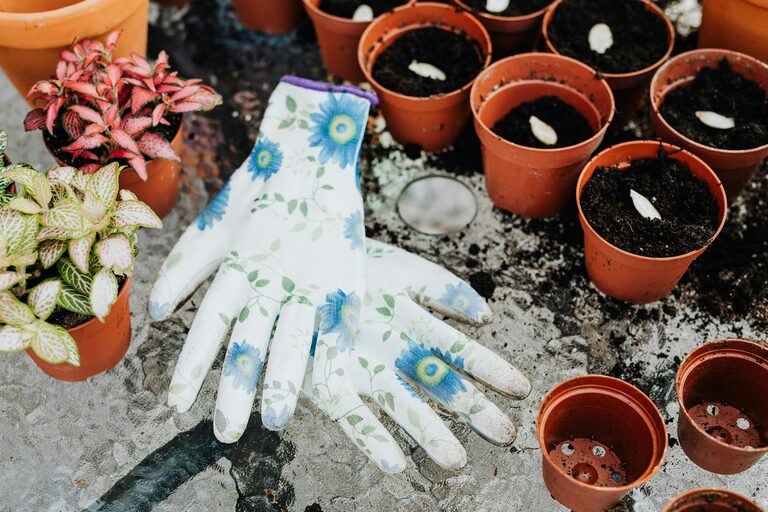
Growing your own herbs indoors is a rewarding and practical hobby that brings fresh flavors to your kitchen and a touch of greenery to your living space. Whether you have a spacious home or a small apartment, starting a small herb garden indoors is easier than you might think. This guide will walk you through the essential steps to create and maintain a thriving indoor herb garden.
Why Grow Herbs Indoors?
Indoor herb gardens provide fresh, flavorful ingredients without needing a backyard. They:
– Save money on store-bought herbs
– Offer convenience for cooking
– Improve indoor air quality
– Add beauty and a pleasant aroma to your home
Now, let’s get started!
Step 1: Choose Your Herbs
Not all herbs are equally suited for indoor growing, so start with beginner-friendly options. Consider these popular choices:
– Basil: Loves warmth and sunlight
– Mint: Easy to grow but can spread quickly
– Parsley: Prefers indirect light and cooler spots
– Chives: Great for containers and partial shade
– Thyme: Requires good drainage and sunlight
– Oregano: Thrives in bright conditions
– Cilantro: Prefers cooler temperatures and moderate light
Pick a few herbs you often use in cooking or that fit your kitchen’s lighting conditions.
Step 2: Select the Right Containers
Herbs grow best in containers with good drainage to prevent root rot. Here are container tips:
– Choose pots with drainage holes
– Use containers that fit your available space—windowsills, shelves, or countertops
– Consider lightweight materials like plastic or ceramic
– Avoid using very large pots for small herb varieties to prevent overwatering
Self-watering pots are great for beginners but aren’t necessary.
Step 3: Pick the Soil
Good soil is vital for healthy plants. Use:
– High-quality potting mix designed for indoor plants
– Avoid garden soil, which can compact indoors and carry pests
– Some gardeners mix in perlite or vermiculite to improve drainage
– Organic potting mixes are also a good choice
Make sure the soil is light and well-draining.
Step 4: Find the Perfect Location
Lighting is one of the most important factors for indoor herbs.
– Most herbs need 6–8 hours of bright, indirect sunlight daily
– A south-facing window is usually ideal
– If natural light is limited, supplement with grow lights (LED lights designed for plants)
– Rotate your plants regularly to ensure even growth
Avoid placing herbs in drafty areas or near heating vents.
Step 5: Planting Your Herbs
You can start your herb garden from seeds or buy small starter plants from a nursery.
– Seeds: Follow the packet instructions for depth and spacing; use seed trays or small pots
– Starter plants: Gently loosen roots before transplanting; plant at the same soil level as before
Fill your containers with soil, leaving about an inch of space at the top to water without overflow.
Step 6: Watering and Maintenance
Watering can make or break your herb garden.
– Check soil moisture daily by touching the top inch of soil
– Water when soil feels dry but avoid overwatering
– Use room-temperature water to avoid shocking the roots
– Avoid letting water sit in saucers under pots to prevent root rot
Additional tips:
– Pinch back herbs like basil and thyme regularly to encourage bushier growth
– Remove dead or yellowing leaves promptly
– Fertilize lightly every 4–6 weeks with a balanced, water-soluble fertilizer
Step 7: Harvesting Your Herbs
Harvesting properly encourages new growth and prevents plants from flowering too early.
– Use scissors or garden shears for clean cuts
– Pick leaves from the top to promote fuller plants
– Avoid harvesting more than one-third of the plant at a time
– Harvest in the morning after dew evaporates for the best flavor
Fresh herbs can be used immediately or stored briefly in the refrigerator.
Troubleshooting Common Issues
Even with care, indoor herb gardens sometimes face challenges:
– Leggy growth: Often caused by insufficient light; move plants closer to a window or add grow lights
– Yellow leaves: Can be a sign of overwatering or nutrient deficiency
– Pests: Look for tiny insects like aphids; clean leaves with a damp cloth or use insecticidal soap safe for indoor plants
– Wilting: Check soil moisture and ensure pots drain well
Final Tips for Success
– Start small and add more herbs as you gain confidence
– Keep a gardening journal to track watering and growth patterns
– Experiment with different herbs and containers to find what works best for you
– Enjoy the process—indoor herb gardening is both practical and relaxing
Growing herbs indoors is a wonderful way to connect with nature and enhance your cooking. With a little patience and care, your small indoor herb garden can flourish year-round and bring fresh flavors right to your fingertips. Happy gardening!