
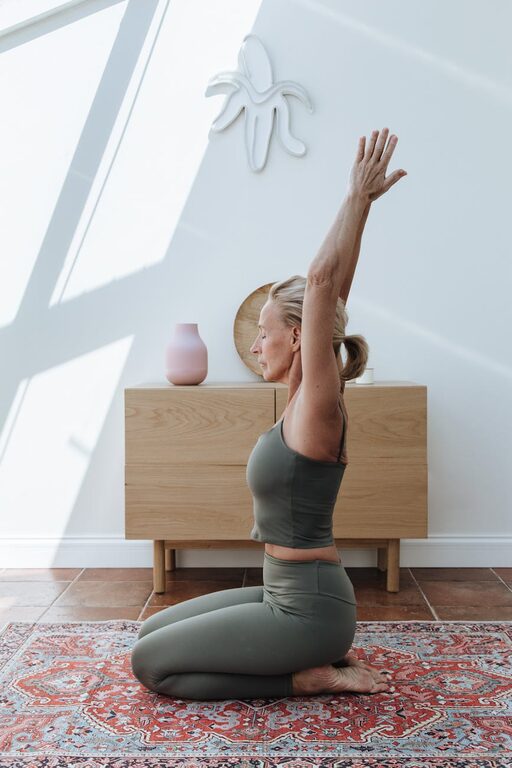
Stretching is a simple, effective way to improve your flexibility, reduce muscle tension, and support overall well-being. Whether you want to loosen up after a workout or simply feel more comfortable throughout your day, stretching at home is an accessible option for everyone. If you’re new to stretching, this guide will walk you through the basics and help you build a safe and enjoyable routine.
Why Stretching Matters
Stretching helps lengthen muscles and tendons, increasing your range of motion. Improved flexibility can:
– Improve posture and balance
– Reduce muscle soreness
– Prevent injuries during physical activity
– Promote relaxation and stress relief
Starting with gentle stretches tailored to your level is key to avoiding discomfort and injury.
Getting Started: What You Need
One of the best parts about stretching at home is that you don’t need special equipment. Here’s what will make your routine easier:
– Comfortable clothing: Wear clothes that allow you to move freely.
– A quiet space: Pick a spot with enough room to stretch without obstacles.
– A yoga or exercise mat (optional): For cushioning and support on hard floors.
– Water bottle: Staying hydrated helps your muscles too.
With just these basics, you’re ready to begin.
How to Stretch Safely
Before you start stretching, keep these safety tips in mind:
– Warm up first: Stretching cold muscles can cause injury. Try walking or marching in place for 3 to 5 minutes.
– Move gently: Avoid bouncing or forcing your body into uncomfortable positions.
– Breathe deeply: Inhale and exhale steadily to help your muscles relax.
– Hold stretches: Maintain each stretch for 15 to 30 seconds. You can repeat 2 to 4 times.
– Listen to your body: Stretch to the point of gentle tension, not pain.
Key Stretches for Beginners
Here are some simple stretches to help you get started:
1. Neck Stretch
– Sit or stand tall.
– Slowly tilt your head toward your right shoulder until you feel a gentle stretch on the left side of your neck.
– Hold, then switch sides.
2. Shoulder Stretch
– Bring your right arm across your chest.
– Use your left hand to gently press your right arm closer to your chest.
– Hold, then switch arms.
3. Chest Opener
– Stand with feet hip-width apart.
– Clasp your hands behind your back and straighten your arms.
– Lift your chest and squeeze your shoulder blades together gently.
4. Seated Forward Fold
– Sit on the floor with legs extended straight in front.
– Keeping your back straight, lean forward from the hips and reach toward your toes.
– Only go as far as comfortable.
5. Cat-Cow Stretch
– Begin on all fours with hands under shoulders and knees under hips.
– Arch your back upward (cat), tucking your chin to your chest.
– Then, lower your belly toward the floor and lift your head (cow).
– Alternate slowly for 6-8 rounds.
6. Hamstring Stretch
– Lie on your back and lift one leg toward the ceiling.
– Hold the back of your thigh and gently pull your leg toward you without bending the knee unnaturally.
– Switch legs.
7. Quadriceps Stretch
– Stand near a wall or chair for support if needed.
– Bend one knee, grabbing your ankle behind you.
– Gently pull the foot towards your buttocks.
– Keep knees close together and hips aligned.
– Switch legs.
Building Your Routine
Start with 10–15 minutes per session, 3–4 times a week. As your flexibility improves, you might increase frequency or duration. Here’s how to plan:
- Choose 5 to 7 stretches covering major muscle groups.
- Perform each stretch slowly and hold for 15–30 seconds.
- Breathe deeply and relax during each stretch.
- Finish with deep breathing or light movement to cool down.
Consistency is the key to progress. Even short daily sessions can lead to noticeable benefits over time.
Tips to Stay Motivated
– Set realistic goals: Focus on gradual improvements rather than immediate results.
– Use reminders: Set alarms or notes on your phone to stretch regularly.
– Combine with other habits: Stretching after waking up or before bed integrates it smoothly into your routine.
– Track progress: Keep a simple journal to note flexibility improvements or how you feel after stretching.
When to Seek Help
If you have existing health conditions or chronic pain, it’s a good idea to check with a healthcare professional before starting a new stretching regimen. They can recommend specific stretches or modifications suited to your needs.
—
Stretching at home is a gentle way to support your body’s health and make daily movements easier. Remember, the best stretch is the one that feels good and fits your lifestyle. Start slow, listen to your body, and enjoy the process of gaining flexibility and relaxation from the comfort of your home. Happy stretching!